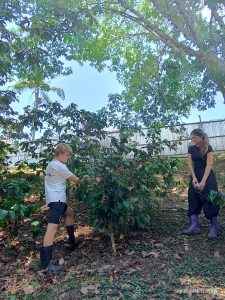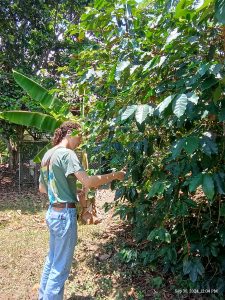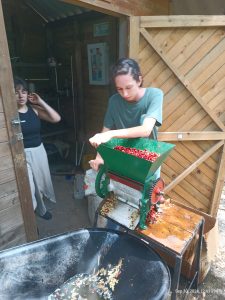
Following the heartbreaking discovery that we have been attacked by broca, Hypothenemus hampei, we decided to quantify the extent of the damage and use it as a great learning opportunity. Students were asked to collect coffee and take samples of 100 beans and count the number that were affected by Broca. A startlingly high percentage of broca was seen, 43%! Over 3809 coffee beans were counted with 1617 of them being affected by broca.
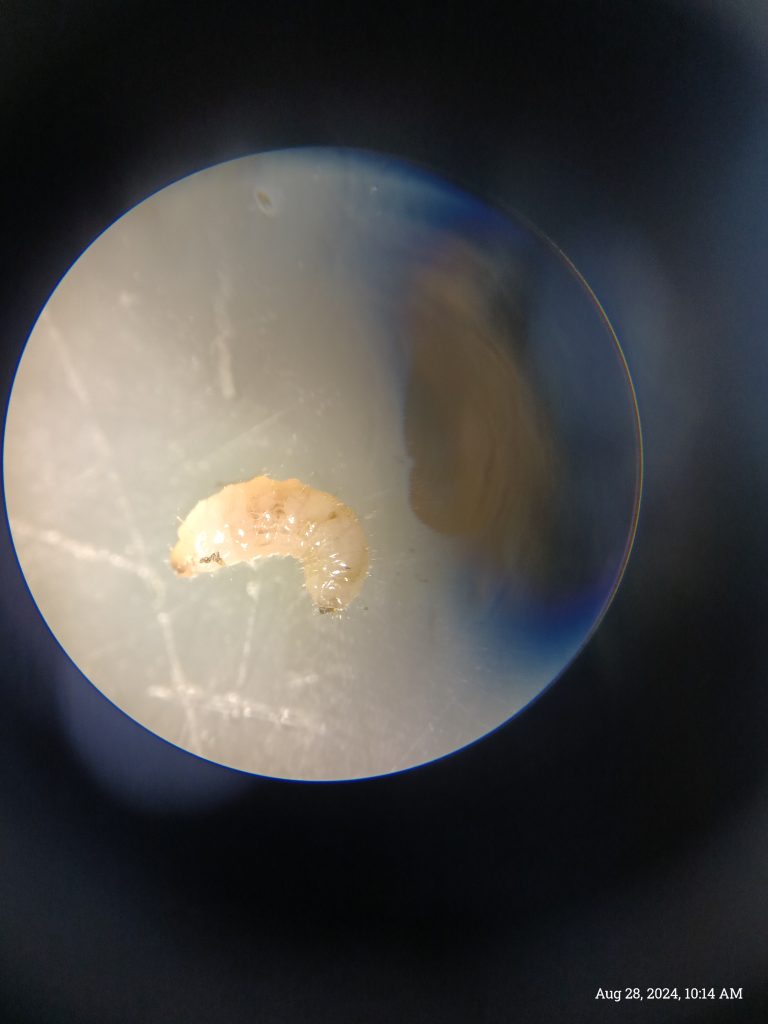
This growth of broca is probably due to the following reasons: a lack of cleaning away leaf litter beneath coffee trees increasing a repository and habitat for the growth of broca; not using traps enough; reduced frequency of spraying coffee with our organic deterrents. That and with a particularly wet summer broca seems to have hit our plantation hard.
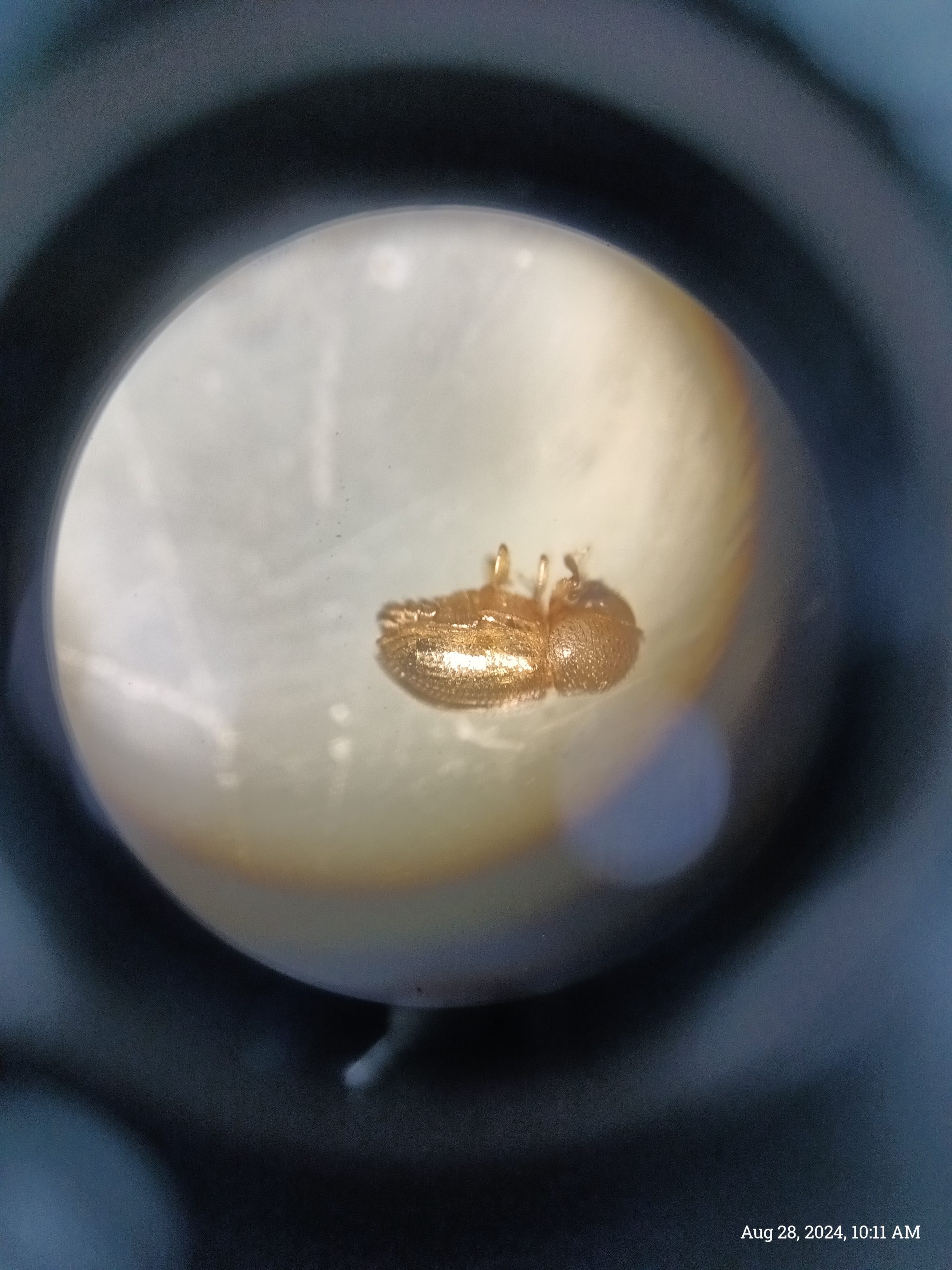
Stereoscopes were set up in the lab and students were asked to observe the microscopic coffee boring beetles. Students saw all stages of the life cycle of the beetle, from egg to larvae to nymph and to adult.
This video shows broca in the adult and larval stages of growth using a stereoscope in the laboratory. Students had to extract broca from infected seeds and were surprised that this tiny pest causes such damage.
Students were tasked with conducting research into methods to control broca and it was seen that organic solutions would include spraying with Beauveria bassiana, a fungus that attacks the beetle, using neem oil and potassium soap and a raft of other measures.
The fungus was bought and was sprayed onto the plants. Secondary cultural management included re-establishing the use of the broca traps and cleaning the leaf litter, including fallen coffee seeds from under our trees to remove habitats for the broca to live in.
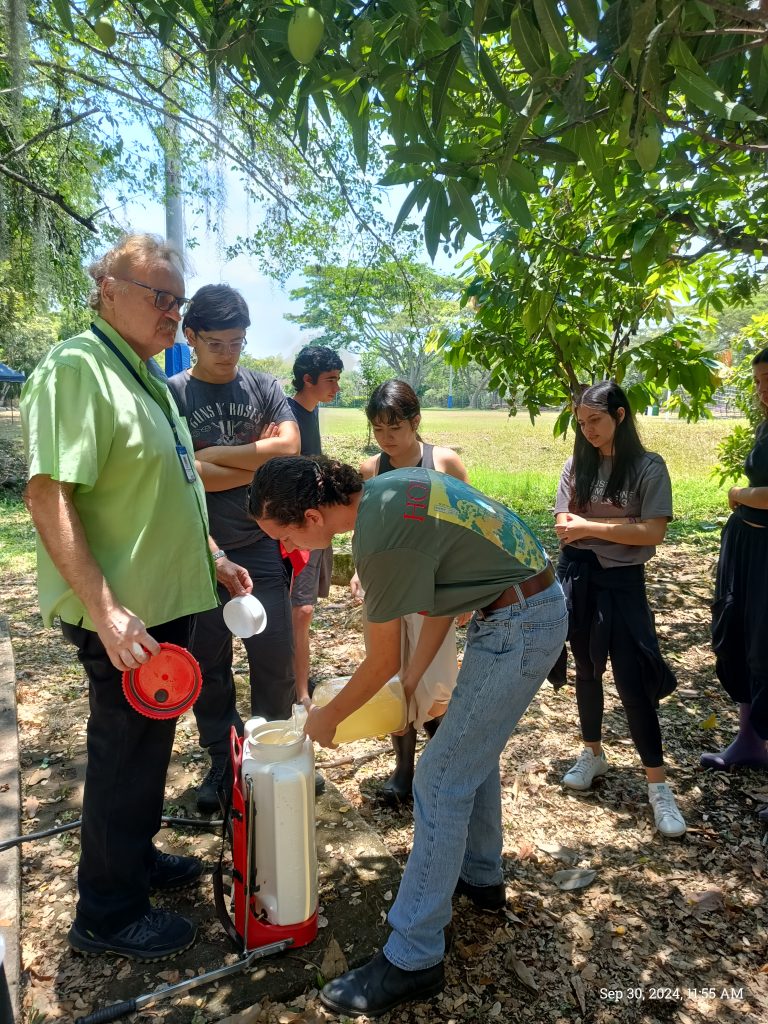
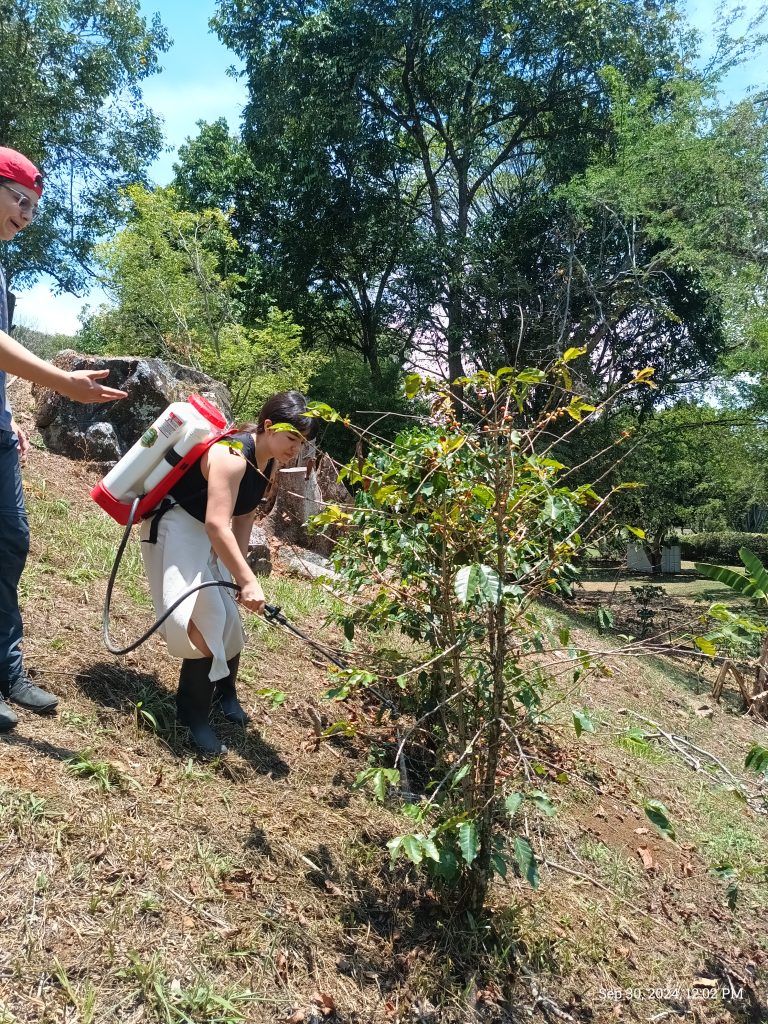
This unfortunately has led to a decrease in quality production from our site, but we hope a swift intervention will ease the problem of broca in the long run.