
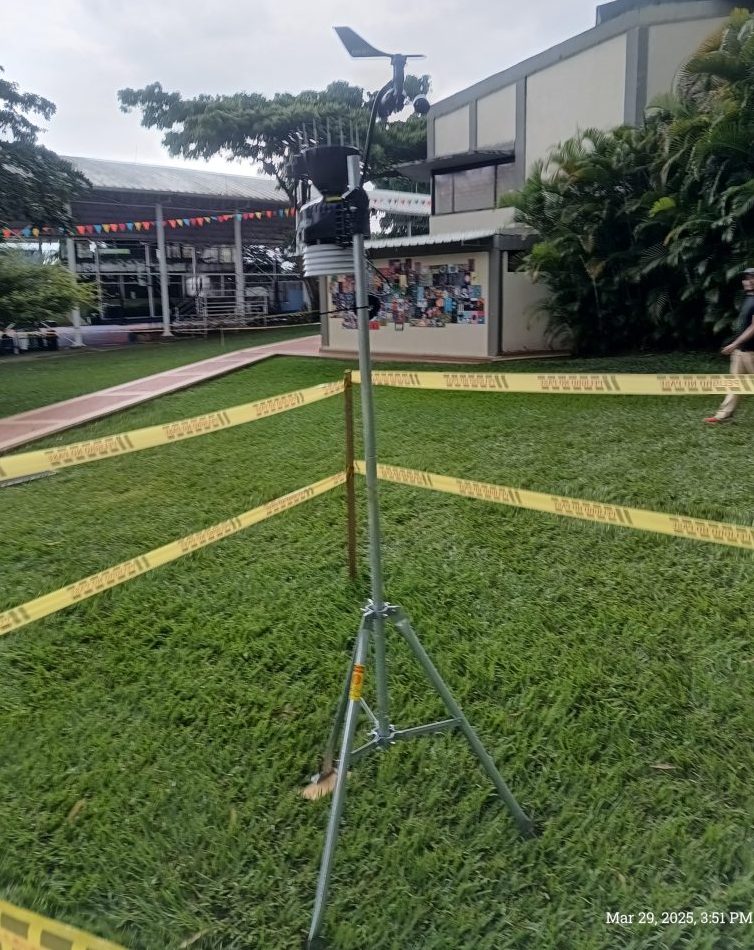
Our Davis Vantage Pro 2 weather station has a suite of sensors that are used to measure and calculate a variety of climate data.
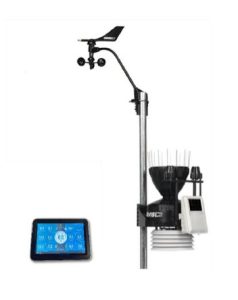
The sensors incorporated into the weather station are as follows:
UV Sensor: a photodiode, that measures UV in the range of 280 to 360nm.
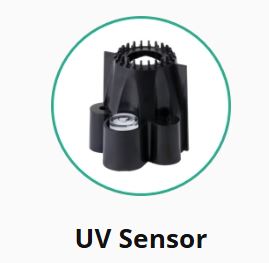
It gives values of minimum, low, moderate, high and very high values for UV radiation. The weather app explains what these mean and how to protect ourselves from the dangers of UV radiation.
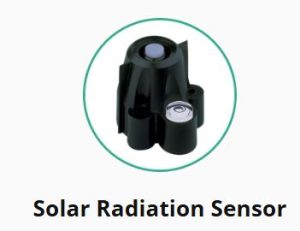
Solar Radiation sensor: a photodiode that measures global solar radiation, the sum of direct and reflected radiation in the range of 400 – 1100nm. This too is a photodiode. This does not give us information on photosynthetically active radiation (PAR) but does indicate the power of the radiation that we are recieving. This can be used in astronomy class to determine links between solar flares and radiation recieved at our school. Measures in the range of 0 – 1800W/m2 (Watts per meter squared), with a resolution of 1 W/m2.
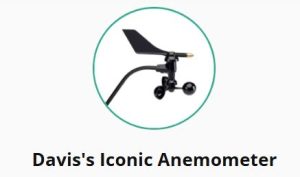
Anenometer: this measures both wind speed and direction (can measure from 0 to 278 km/hour), 0 to 80m/s, and 0° to 360°, with an accuracy of 1°. Updated every 2.5 seconds
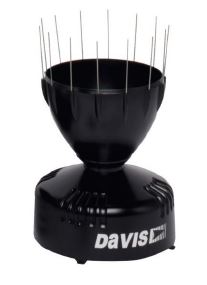
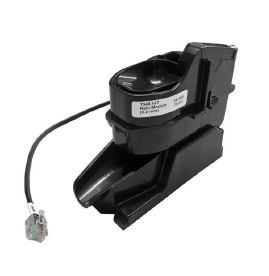
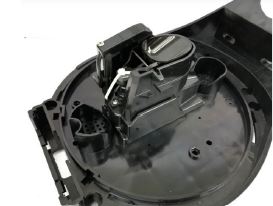
Rain collection: this measures the frequency of rain events, the total rainfall in mm, and can be used to determine how much rain an area is receiving. For example a measurement of 1mm of rain indicates that one litre of water fell on an area of 1m2. The rain collector automatically tips out rain when the spoon fills with water allowing an accurate measurement of precipitation. It can measure between 0-6553mm of rain, with an accuracy of 0.2mm. Updated every 20 seconds.
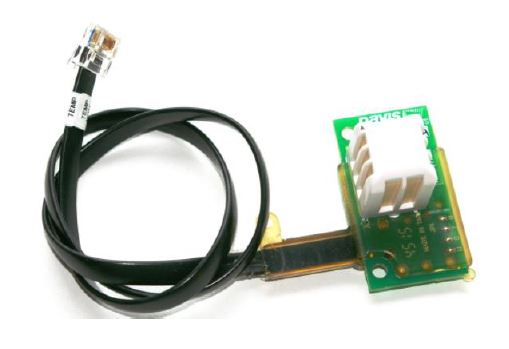
Temperature and humidity: a silicon diode measures temeperature and a film capacitor measures humidity. These give data on absolute temperature, temperature ranges (between -40°C to 65°C with a resolution of 0.3°C), maximum and minimum temperatures. The station also gives data on windchill and heat index. The device also gives data on inside and outside temperature and humidity. Temperature is updated every 10 Seconds. Humidity is updated every 1 minute.
The THW index gives information on how it feels taking into account, Temperature, Humidity and Wind. The THWS index gives information on how it feels taking in account, Temperature, Humidity, Wind and Solar radiation.
Relative humidity (how much moisture is in the air) between 1-100% with a resolution of 1%. This is also used to calculate evapotranspiration.
The Dew point is also calculated. The Dew Point is reached when atmospheric temperature (varying according to pressure and humidity) is at a point below which water droplets begin to condense: dew being tiny drops of water that form on cool surfaces at night, when atmospheric vapour condenses.
Evapotranpiration is used by agricultural scientists to determine the effective water loss combined from evaporation (from the surface of the soil) and transpiration (water lost by the plant as it transpires – moves water from the roots to the leaves). This total, measured in mm, indicates how much water loss is occuring.
With information on rainfall and evapotranspiration we can determine whether plants require watering or not, and how much they need.
Barometric pressure: The sensor in the console unit contains a pressure sensor that measures barometric pressure. Typical values for barometric, or atmospheric pressure range from 752-767 mm/Hg. Atmospheric pressure at sea level is 760mm/Hg. When pressure is constant we usually consider conditions to be fair. Falling pressure is an indication of precipitation. Rising pressure usually indicates fairer weather. The resolution of the device is 0.1mm/Hg
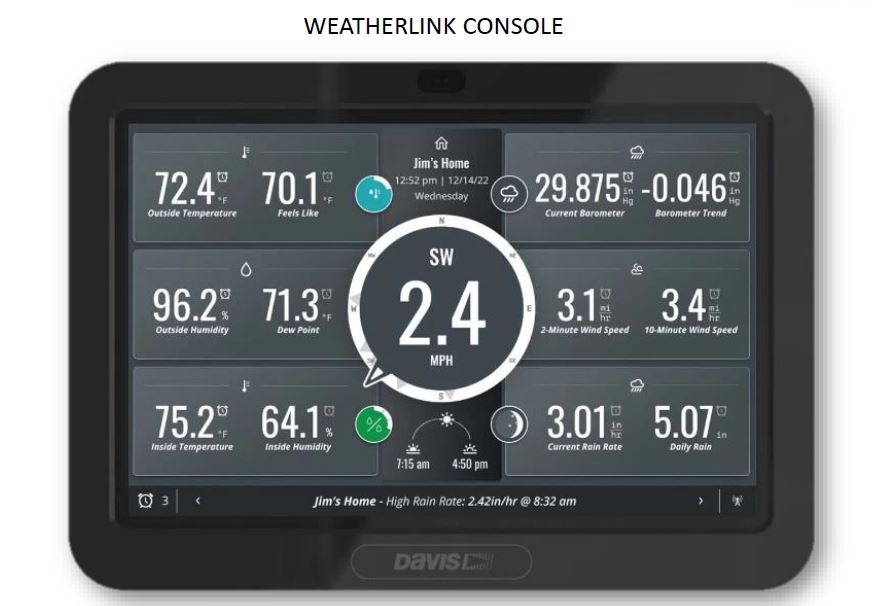
The application also gives data on Moon phases and provides a forecast.