
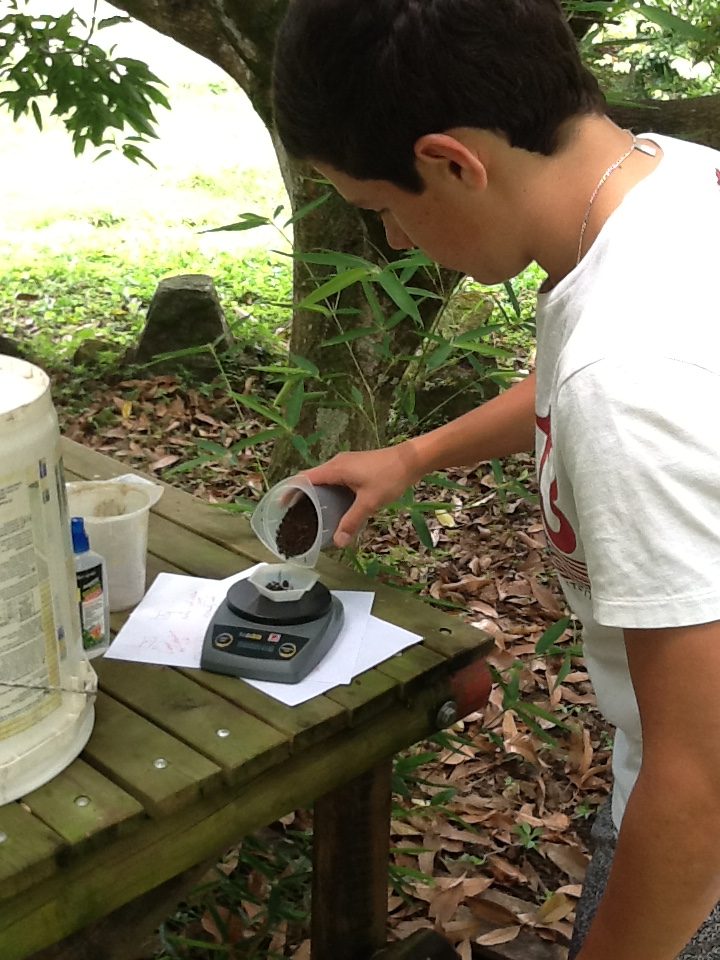
The students first investigated what makes up soil, its major properties, its structure and composition, and taxonomy before testing the acidity of the soil using pH paper and meters, and soil respiration using a Solvita low level CO2 soil respiration burst monitor.
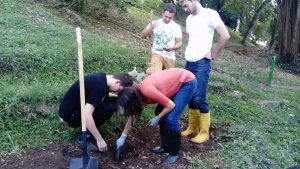
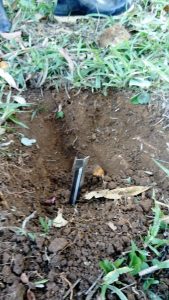
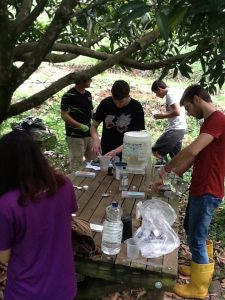
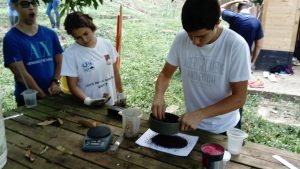
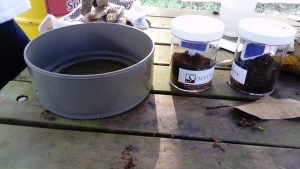
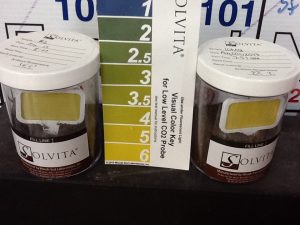
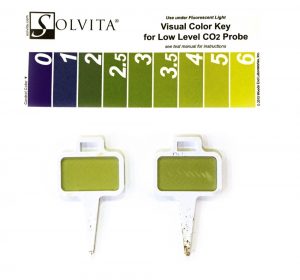
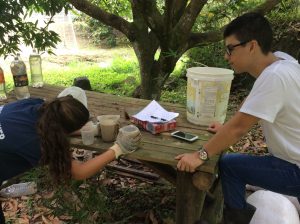
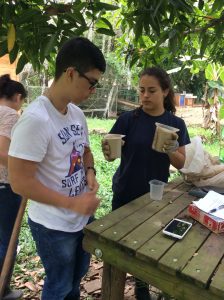
Students measuring soil temperature at 15cm, and taking soil samples (90g) in order to use with Solvita test equipment to determine the soil respiration of the soil. Using the chart above students determined that the soil had a high level of soil respiration indicating a fertile soil.
Students followed protocols and conducted tests, determining that the soil had a pH of approximately 6 (slightly acidic) and had a high soil respiration level.
This had direct impacts on how students were going to treat the soil, especially for beds that were going to contain Brassicas: broccoli, cabbages, cauliflower, kale, kohlrabi. These beds were given agricultural lime, calcium carbonate (CaCO3) at a rate of 500 g per square meter, (500g m-2).
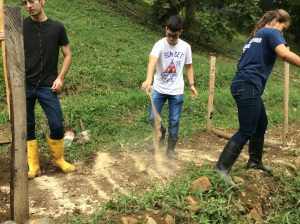
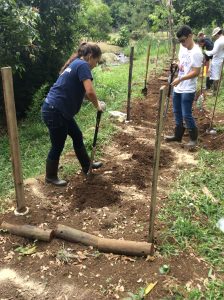
Students measuring and adding agricultural lime to the soil, then digging it in.