

Smart Traveling
Smart Travelers Health and Safety Tips
Preparing for your Trip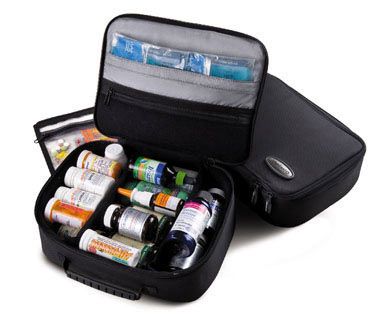
- See your doctor about 6 weeks before your departure.
- Get a copy of your medical history with your allergies, operations, or other procedures.
- Ask about recommended vaccinations for your trip and when to schedule them (some take 6 weeks from the date of vaccination to provide maximum protection). See our suggestions here.
- Make a list of your prescription medications with dosages and directions. If traveling for more than a day or across time zones, ask about adjusting your medication schedule while on your trip.
- Ask about filling prescriptions for your medications before you leave. Take extra supplies in case of unexpected delays. Keep them in original containers, with your name clearly on the label.
- If you have any serious medical conditions, ask your doctor if you should wear a Medical Information Bracelet.
- Keep a copy of your medical history in your wallet. It should include your name, address, phone number, date of birth, emergency contact information, blood type, health problems, allergies, prescription and over-the-counter medication remedy list, and health insurance carrier (with policy number and telephone contact).
- If you wear prescription eye glasses, contact lenses, or hearing aids, pack extras in your carry-on luggage. Glasses here can be expensive.
- Schedule a dental exam at least 3 weeks before you leave. If you need a root canal or tooth extraction, have it at least two weeks before your trip. Changes in atmospheric pressure on airplanes can cause severe pain or bleeding in the affected area. Colombia does have excellent dental care at very reasonable prices once you arrive. Dental insurance is also available.
- SPECIAL: If pregnant, ask your doctor about special travel precautions. Also, speak to your pediatrician about recommended immunizations for children and additional ways to protect their health while traveling. Ask your doctor about special travel precautions if you have serious medical conditions.
Travel Health Kit
The essentials in the kit will enable you to care for minor health problems and manage ongoing health conditions. Base its contents on your destinations, length of stay, health history, and special medical needs. It should include:
- Your personal prescription medications, including anti-malarial medications, if recommended. If you use injectable medications (e.g. insulin for diabetes), carry a note from your doctor explaining the need for disposable syringes.
- Acetaminophen, ibuprofen, aspirin or other medication for headaches, mild fever, sprains, and pain.
- Antidiarrheal medication
- Medication for motion sickness
- Antibiotics, if recommended by your doctor.
- Mild laxative
- Decongestant
- Cough suppressant and throat lozenges
- Antiseptic wipes and antibiotic ointment for cuts, burns or scrapes
- Adhesive bandages, gauze, adhesive tape, ace bandage, cotton-tipped applicators
- Calamine lotion
- Hydrocortisone cream
- Sunscreen, with an SPF of 15 or higher
- Aloe gel for sunburn
- First aid reference guide
- Epinephrine auto-injector (called epi-pen) if you have a history of serious allergic reactions.
Review this list with your doctor for other items to include based on your individual health history.
8 Tips for Healthy Travel
- Get as much sleep as possible before leaving
- To avoid dehydration, drink at least 8 ounces of water for every hour in flight. Avoid caffeinated beverages and alcohol.
- Instead of having high caloric and sugary airline food, pack a healthy salad or sandwich made with whole grain bread, some fruit, and high protein energy bar.
- Wear loose clothing and move around the cabin when permitted during long flights.
- Move your ankles around and exercise calf muscles to increase circulation and reduce fatigue and stiffness.
- Remove your contact lenses and wear eyeglasses in flight.
- If prone to motion sickness, ask your doctor about medications and travel sickness wristbands.
- If your ears hurt when you fly, swallow often, yawn, and chew gum during takeoff and landing. Ask your doctor about taking a decongestant medication before the flight.
To Minimize Jet Lag
- Drink lots of water and try to sleep en route.
- After arriving, take daytime naps during the first two days
- Eat and sleep on local time as soon as you can
- Go outside – exposure to daylight helps you to adjust to a new time zone
Getting Medical Aid Abroad
- Before leaving, check if your health insurance covers medical services abroad. Some cover emergencies, but not treatment for existing health conditions. Pre-authorization or a second opinion may be needed before treatment.
- If you have health insurance coverage abroad take your insurance card and claims forms with you.
- Note that Medicare doesn’t provide coverage for medical costs outside the US.
- If you will be abroad for an extended period or have an illness which may require care while away, consider buying supplemental health insurance with guaranteed medical payments, access to 24-hour doctor support and emergency medical treatment.
- For a list of recommended hospitals and healthcare providers, consult the International Association for Medical Assistance to Travelers web site (http://www.iamat.org/). The US Consulate or Embassy in countries you visit can also help.
- Remember that doctors in foreign countries (outside of Colombia, where you will be covered) usually require payment in cash or by credit card at the time of service. Get copies of all bills and receipts.
From Smart Travelers: Health and Safety Tips, www.isiww.com.